Simple Lemon Vinaigrette Dressing Recipe – Easy & Fresh
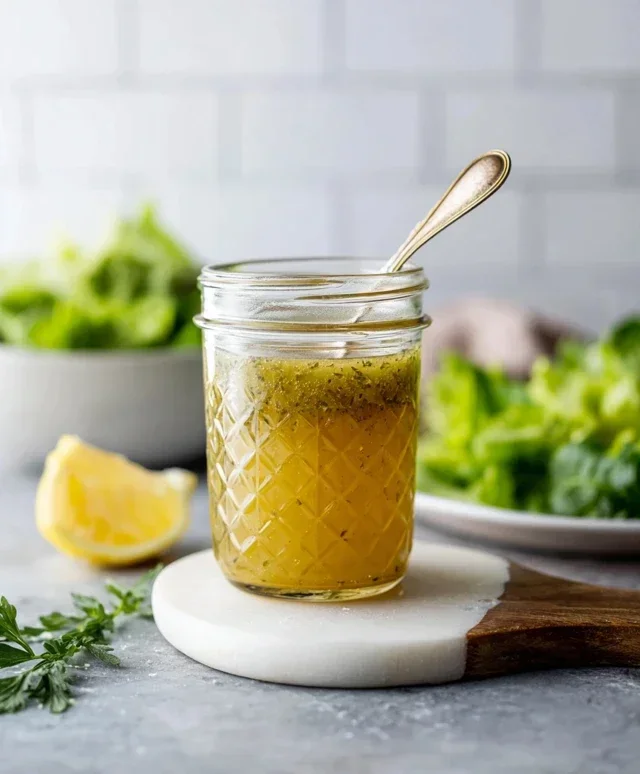
Basic lemon vinaigrette dressing is the unsung hero of my kitchen, and I bet it’s yours too, even if you don’t realize it yet. Forget those sad, store-bought bottles with ingredients you can barely pronounce. This simple, vibrant concoction is what elevates a humble salad from ordinary to extraordinary with just a few pantry staples. Why do we love it so much? It’s the perfect balance of bright, zesty lemon and rich olive oil, a classic pairing that just works. It’s incredibly versatile, acting as a light coating for delicate greens, a marinade for chicken, or even a dipping sauce for roasted vegetables. What truly makes this basic lemon vinaigrette dressing special is its utter simplicity, allowing the fresh flavors of your ingredients to shine through. It’s the foundation for countless delicious meals, and once you’ve made it yourself, you’ll wonder how you ever lived without it.
Basic Lemon Vinaigrette Dressing
Welcome, fellow food enthusiasts! Today, we’re diving into the wonderfully simple yet incredibly versatile world of homemade salad dressings. Forget those store-bought concoctions filled with questionable ingredients and preservatives. We’re going to create a vibrant, fresh, and utterly delicious basic lemon vinaigrette from scratch. This recipe is a cornerstone of my kitchen, and once you try it, I guarantee it will become a staple in yours too. It’s perfect for everything from a simple green salad to marinating chicken or even drizzling over roasted vegetables. The beauty of this dressing lies in its bright, zesty flavor that awakens any dish. Plus, it’s so easy to whip up, you’ll wonder why you ever bothered with anything else.
Let’s get started with what you’ll need.
Ingredients:
Putting It All Together
The magic of a vinaigrette is in the emulsification – that beautiful process where oil and vinegar, which naturally don’t mix, are forced to become friends. We’ll achieve this through a few simple steps.
Step 1: The Tangy Foundation
Our journey begin extracts with the liquids that will form the backbone of our dressing. In a medium-sized bowl or a clean jar with a tight-fitting lid, combine the apple cider vinegar and the fresh lemon juice. The apple cider vinegar brings a slightly sweet and fruity tang, while the lemon juice adds that unmistakable bright, zesty punch. This duo is a classic for a reason – their acidity cuts through richness and adds a refreshing element. If you don’t have apple cider vinegar, white grape juice vinegar or even red grape juice vinegar can work, though they will slightly alter the flavor profile. Always opt for fresh lemon juice; bottled just doesn’t have the same vibrant flavor.
Step 2: Adding Depth and Sweetness
Next, we introduce the elements that will add complexity and balance to our vinaigrette. To the vinegar and lemon juice mixture, add the 2 Tablespoons of water. This might seem counterintuitive, but the water helps to slightly mellow the acidity, making the dressing more palatable and less harsh. Now, it’s time for our emulsifier and flavor booster: the Dijon mustard. Add the 1 Tablespoon of Dijon mustard. Dijon is fantastic because it has a smooth, slightly spicy flavor that not only tastes great but also helps the oil and vinegar to come together. Following the mustard, we add our sweetener. I’ve listed honey or maple syrup as options, and you can adjust the amount to your preference. If you’re watching your sugar intake, a little bit of stevia can also work wonders here. The sweetness is crucial for balancing the acidity of the vinegar and lemon juice.
Step 3: The Aromatic Boost
Now, let’s infuse our vinaigrette with some aromatic goodness. Add the 1 teaspoon of dried oregano. If you have fresh oregano on hand, by all means, use 1 Tablespoon of finely chopped fresh leaves – the flavor will be even more vibrant. Oregano brings a lovely herbal note that complements the citrus beautifully. Next, we mince one clove of garlic. The key here is to mince it as finely as possible, or even grate it on a microplane, to ensure the garlic flavor is evenly distributed and not in large, overpowering chunks. Raw garlic can be quite pungent, so if you’re sensitive to it, you might want to start with half a clove or even omit it altogether. Finally, season with ½ teaspoon of sea salt and ¼ teaspoon of black pepper. The salt enhances all the other flavors, while the pepper adds a subtle warmth.
Step 4: The Emulsification – Slow and Steady Wins the Race
This is where the magic happens, and how you do it will affect the final texture. If you’re using a bowl, grab a whisk. Slowly, and I mean slowly, begin extract to drizzle in the olive oil while whisking continuously. This is the crucial step for emulsification. Start with just a tiny stream of oil, whisking vigorously until it’s fully incorporated into the liquid mixture. Once that first bit of oil has vanished into the dressing, you can gradually increase the speed at which you drizzle, always whisking. The goal is to break down the oil into tiny droplets, suspending them within the vinegar and lemon mixture. If you add the oil too quickly, your vinaigrette will separate. If you’re using a jar, simply add all the ingredients (except the oil) to the jar, seal it tightly, and shake vigorously. Then, add the olive oil, seal again, and shake until well combined and emulsified.
Step 5: The Final Blend and Storage
Once all the olive oil has been incorporated and the dressing has thickened slightly and looks creamy and homogenous, you’ve successfully made your basic lemon vinaigrette! Taste it and adjust the seasonings if necessary. Does it need a touch more sweetness? A little more salt? Perhaps a pinch more pepper? This is your chance to make it perfect for your palate. Once you’re happy with the flavor, you can use it immediately, or store it. Transfer the vinaigrette to an airtight container, such as a jar or a cruet. It will keep in the refrigerator for about 1 to 2 weeks. Because it contains fresh ingredients and no preservatives, it’s best to use it within that timeframe. When you’re ready to use it, you might notice that it has separated slightly in the refrigerator. This is perfectly normal! Just give it a good shake or whisk it again to re-emulsify before serving.
This basic lemon vinaigrette is a game-changer. It’s bright, fresh, and so much better than anything you can buy. Enjoy experimenting with it!
Conclusion:
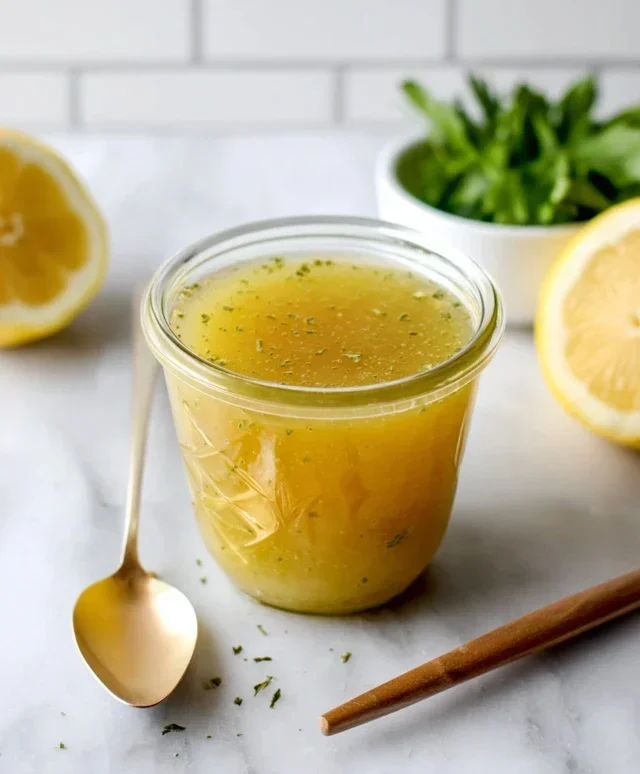
Congratulations, you’ve mastered the art of the basic lemon vinaigrette dressing! This simple yet incredibly versatile recipe is a kitchen essential for good reason. It’s wonderfully bright, zesty, and perfectly balanced, elevating everything from crisp green salads to hearty grain bowls. The beauty of this dressing lies in its simplicity – just a few high-quality ingredients come together to create a flavor explosion that’s miles better than anything from a bottle. It’s incredibly quick to whip up, making it the perfect go-to for a healthy and delicious meal any night of the week.
Don’t be afraid to experiment! This basic lemon vinaigrette is a fantastic base for all sorts of delicious variations. Consider adding a minced clove of garlic for a punchier flavor, a pinch of Dijon mustard for emulsification and tang, or even a touch of honey or maple syrup for a subtle sweetness. It’s wonderful on tossed green salads, drizzled over roasted vegetables, as a marinade for chicken or fish, or even stirred into cooked quinoa or farro. Give it a try and discover how this humble dressing can transform your everyday cooking!
Frequently Asked Questions:
Q: How long does basic lemon vinaigrette last?
A: Stored in an airtight container in the refrigerator, this dressing will stay fresh for about 7 to 10 days. The oil and lemon juice might separate over time, but a quick shake or whisk will bring it back together.
Q: Can I use other types of oil?
A: Absolutely! While olive oil is classic, you can experiment with other neutral oils like grapeseed or avocado oil. For a richer flavor, a good quality extra virgin extract olive oil is recommended. Avoid strongly flavored oils unless you want to intentionally alter the taste.
Q: My dressing is too tart. How can I fix it?
A: If your dressing is too tart, you can easily balance the acidity by adding a touch of sweetness. Start with about half a teaspoon of honey, maple syrup, or a pinch of sugar, and whisk it in. Taste and add more incrementally until it reaches your desired flavor profile.
Basic Lemon Vinaigrette Dressing
A simple and versatile lemon vinaigrette perfect for salads.
Ingredients
-
1/4 cup apple cider vinegar
-
2 tablespoons fresh lemon juice
-
2 tablespoons water
-
1 tablespoon dijon mustard
-
2 teaspoons honey or maple syrup
-
1 teaspoon dried oregano
-
1 clove garlic, minced
-
1/2 teaspoon sea salt
-
1/4 teaspoon black pepper
-
1/2 cup + 2 tablespoons olive oil
Instructions
-
Step 1
In a small bowl or jar, whisk together the apple cider vinegar, fresh lemon juice, water, dijon mustard, honey or maple syrup, dried oregano, minced garlic, sea salt, and black pepper. -
Step 2
Slowly drizzle in the olive oil while continuously whisking or shaking the jar. -
Step 3
Continue whisking or shaking until the dressing is emulsified and well combined. -
Step 4
Taste and adjust seasonings as needed. -
Step 5
Serve immediately or store in an airtight container in the refrigerator.
Important Information
Nutrition Facts (Per Serving)
It is important to consider this information as approximate and not to use it as definitive health advice.
Allergy Information
Please check ingredients for potential allergens and consult a health professional if in doubt.