Easy Chimichurri Sauce Recipe – Fresh & Flavorful
Chimichurri sauce is the vibrant, herbaceous secret weapon you’ve been missing in your culinary arsenal. Forget bland marinades; this Argentinian classic is a revelation! I absolutely adore chimichurri for its incredible ability to transform even the simplest grilled steak, chicken, or fish into something extraordinary. Its bright, zesty flavor profile, a harmonious blend of fresh parsley, oregano, garlic, vinegar, and olive oil, cuts through richness and awakens the palate. What truly makes chimichurri special is its incredible versatility and how effortlessly it elevates everyday meals. It’s more than just a sauce; it’s an experience that brings a burst of sunshine and South American flair to your plate, making everything taste a little bit more exciting. Get ready to discover your new favorite condiment.
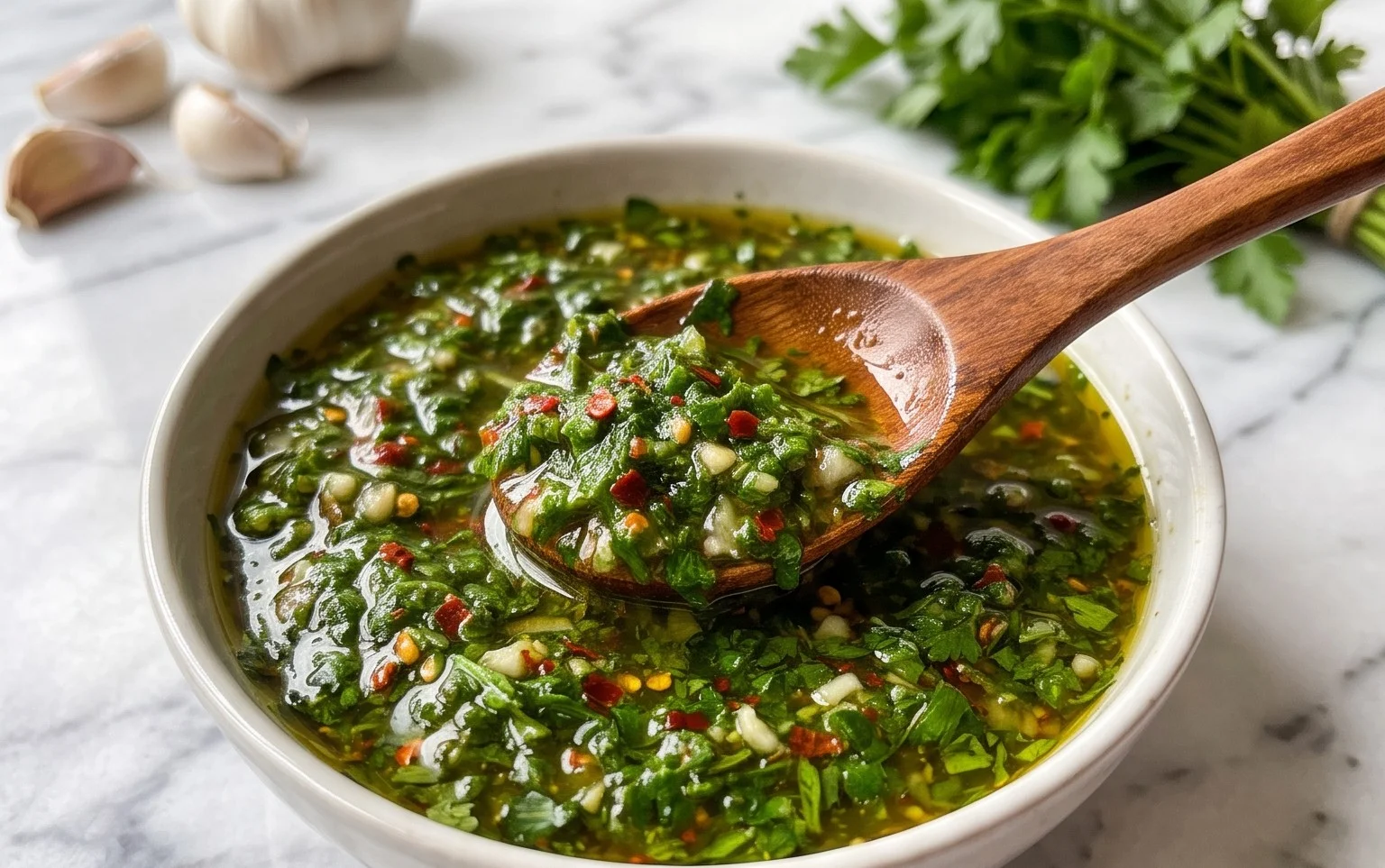
Chimichurri Sauce
Chimichurri. The word itself conjures up images of vibrant green, zesty flavors, and the irresistible aroma of grilled meats. This Argentinian staple is more than just a sauce; it’s a culinary exclamation point, a burst of freshness that can elevate anything from a humble steak to roasted vegetables. Forget those bland, bottled versions – making authentic chimichurri from scratch is surprisingly simple and incredibly rewarding. The magic lies in the fresh herbs, the bright tang of vinegar, and the rich embrace of olive oil. Prepare to transform your meals with this versatile, herbaceous delight.
Ingredients:
Instructions:
Preparation is Key
The first step to achieving a truly spectacular chimichurri is all about preparing your fresh ingredients. You’ll want to start by thoroughly washing and drying your fresh parsley and cilantro. Excess water can dilute the flavors and affect the texture of your sauce. A salad spinner is a fantastic tool for this, but if you don’t have one, gently pat them dry with paper towels, ensuring each leaf is as moisture-free as possible. For the parsley, we’re looking for “well packed,” which means firmly pressing the leaves down into your measuring cup to get a good amount. This ensures a robust herbaceous base. If you’re using fresh oregano, you’ll want to strip the leaves from the tougher stems. If dried oregano is your only option, a teaspoon will do, but the fresh herb truly shines here. Next, finely mince the red onion or shallot. The goal is to have very small, almost confetti-like pieces so they integrate seamlessly into the sauce without being overpowering. Similarly, mince your garlic cloves into very fine pieces. You can use a garlic press if you prefer, but finely mincing by hand allows for more control and a better texture.
Building the Flavor Base
Once all your herbs and aromatics are prepped, it’s time to combine them. In a medium-sized bowl, add the finely minced parsley, cilantro, and oregano. Next, add the minced red onion (or shallot) and the minced garlic. This is where the vibrant heart of the chimichurri begin extracts to form. At this stage, it’s also a good idea to add your salt and the red pepper flakes, if you’re using them. Remember that salt will help to draw out the flavors of the herbs and will also act as a subtle preservative. The red pepper flakes are entirely optional, but they add a wonderful little kick that can balance the richness of the oil and the tang of the vinegar. Start with the recommended amount and you can always add more later to suit your preference.
The Tangy and Zesty Embrace
Now, we introduce the liquids that will bring our chimichurri to life. Pour in the red grape juice vinegar and the fresh lemon juice. The vinegar provides that essential acidic bite that cuts through richness and brightens all the other flavors. Red grape juice vinegar is traditionally used in Argentinian chimichurri and offers a slightly sweeter, more complex flavor than a standard red grape juice vinegar. However, if you can’t find it, a good quality red grape juice vinegar will work beautifully. Fresh lemon juice is crucial for its clean, bright acidity; it’s a different kind of tang than vinegar and adds another layer of complexity. Stir these liquids into the herb and onion mixture. You’ll notice the ingredients starting to meld together, and the aroma will become wonderfully fragrant.
The Richness of Olive Oil
This is perhaps the most critical step for achieving the classic chimichurri texture and flavor. Slowly drizzle in the olive oil while continuously stirring or whisking. You want to emulsify the oil with the other ingredients, creating a cohesive sauce. Don’t just dump it all in at once! Gradually incorporating the olive oil will help it to bind with the herbs, vinegar, and lemon juice, resulting in a smoother, more luscious sauce. Continue to stir until the oil is fully incorporated and you have a beautifully emulsified sauce. The color should be a vibrant green, and the texture should be thick enough to cling to your ingredients.
Rest and Refine
This step is often overlooked, but it’s vital for the best flavor development. Once you’ve fully combined all the ingredients, cover the bowl and let your chimichurri sauce rest in the refrigerator for at least 30 minutes. This resting period allows all the flavors to meld and deepen. The herbs will rehydrate slightly, the garlic and onion will soften their bite, and the acids will penetrate the herbs. This is also your opportunity to taste and adjust the seasoning. After it has had a chance to rest, give it a good stir and taste. Does it need more salt? A touch more vinegar for tang? Or perhaps a pinch more red pepper flakes for heat? Adjust it to your liking. This is the beauty of homemade chimichurri – it’s perfectly tailored to your palate.
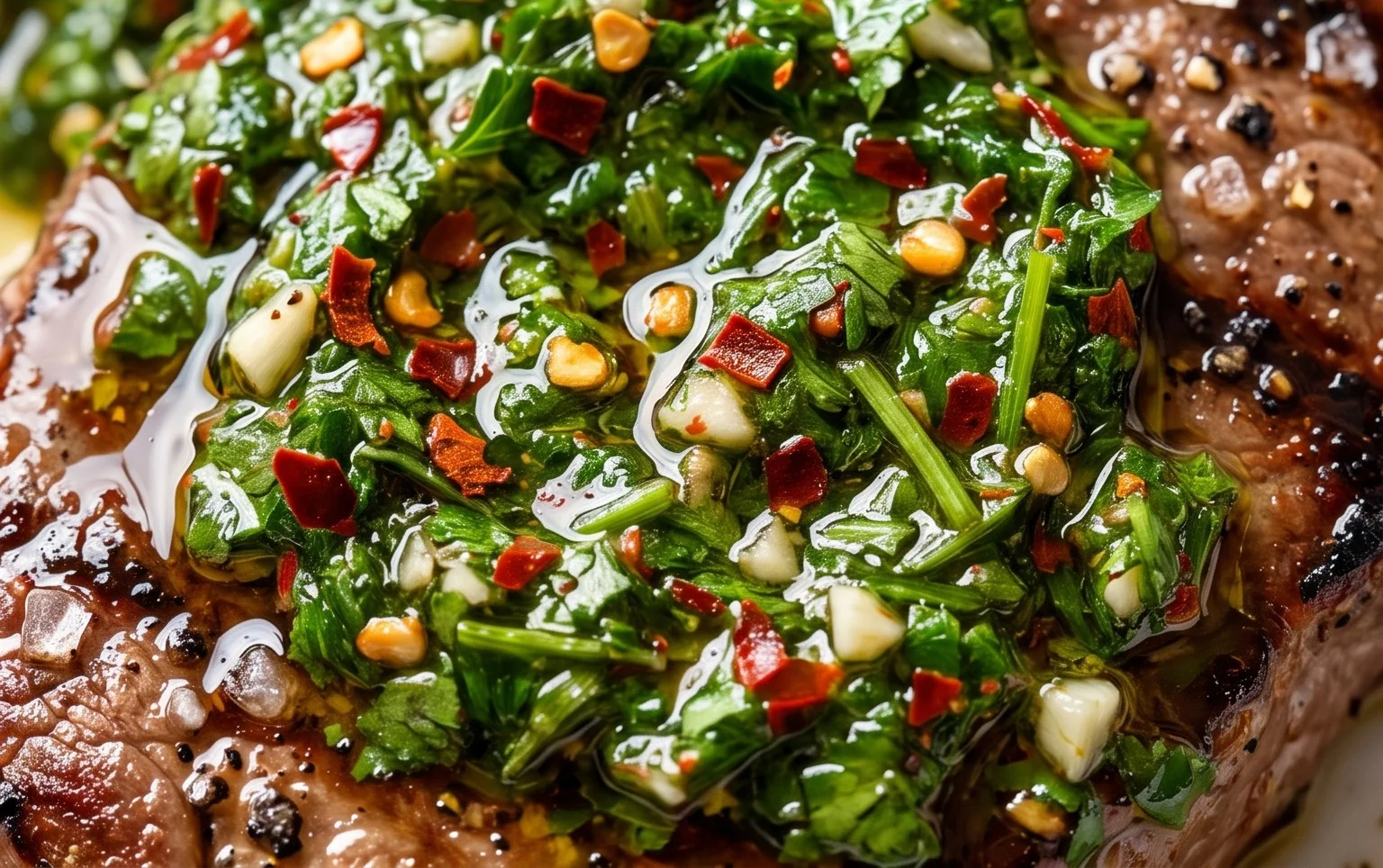
Chimichurri is incredibly versatile. While it’s famously paired with grilled steak (think flank steak, skirt steak, or sirloin), it’s also fantastic with chicken, beef, fish, and even tofu. Drizzle it over roasted vegetables, toss it with potatoes, or use it as a vibrant dipping sauce. For the best results, always store your chimichurri in an airtight container in the refrigerator. It will keep for about 4-5 days, and the flavors often deepen and improve with time. So, go ahead and whip up a batch – your taste buds will thank you!
Conclusion:
And there you have it! This versatile chimichurri sauce recipe is a game-changer for any kitchen. Its vibrant, herbaceous flavor profile, born from simple fresh ingredients, elevates everything from grilled meats to roasted vegetables. I find its bright, zesty notes are the perfect counterpoint to richer dishes, making it an indispensable condiment in my own cooking. Don’t be afraid to get creative! This chimichurri is fantastic drizzled over steak, chicken, fish, or even as a dip for crusty bread. You can also stir it into pasta salads, spoon it onto roasted potatoes, or use it as a marinade. For those who enjoy a little heat, feel free to add a pinch of red pepper flakes. If you prefer a tangier finish, a touch more red grape juice vinegar can work wonders. I truly encourage you to give this wonderful chimichurri sauce a try. It’s incredibly easy to make, incredibly delicious, and will undoubtedly become a staple in your culinary repertoire.
Frequently Asked Questions:
How long does chimichurri sauce last?
Stored in an airtight container in the refrigerator, this chimichurri sauce will stay fresh for about 5-7 days. The flavors tend to meld and deepen over time, which I actually quite enjoy!
Can I make this chimichurri sauce ahead of time?
Absolutely! It’s actually best made at least an hour or two before serving to allow the flavors to fully develop. I often make a batch the day before a barbecue.
What if I don’t have fresh parsley?
While fresh parsley is key to the classic chimichurri flavor, you can substitute dried parsley in a pinch. Use about one-third the amount of dried parsley compared to fresh. However, the result will be less vibrant.
Chimichurri Sauce
A vibrant and herbaceous Argentine sauce, perfect for grilled meats and vegetables.
Ingredients
-
1 1/2 cups well packed (42g) fresh parsley
-
1/2 cup well packed (20g) fresh cilantro
-
1/4 cup (9g) fresh oregano or 1 tsp dried
-
1/4 small red onion or one small shallot
-
3 garlic cloves
-
3 Tbsp red grape juice vinegar
-
2 Tbsp fresh lemon juice
-
1/2 tsp salt, (then more to taste)
-
1/4 tsp red pepper flakes ((optional, more or less to taste))
-
3/4 cup olive oil
Instructions
-
Step 1
Finely chop the fresh parsley, cilantro, oregano (if using fresh), red onion or shallot, and garlic cloves. Alternatively, pulse them in a food processor until finely minced but not puréed. -
Step 2
In a medium bowl, combine the chopped herbs, onion/shallot, and garlic. -
Step 3
Add the red grape juice vinegar, fresh lemon juice, salt, and red pepper flakes (if using) to the bowl. -
Step 4
Whisk the ingredients together until well combined. -
Step 5
Slowly drizzle in the olive oil while whisking continuously to emulsify the sauce. -
Step 6
Taste and adjust seasoning with more salt or red pepper flakes if desired. -
Step 7
For best flavor, let the chimichurri sauce sit for at least 15-30 minutes at room temperature before serving to allow the flavors to meld. Can be refrigerated for up to a week.
Important Information
Nutrition Facts (Per Serving)
It is important to consider this information as approximate and not to use it as definitive health advice.
Allergy Information
Please check ingredients for potential allergens and consult a health professional if in doubt.