Easy Miso Soup Recipe – Quick & Delicious
Miso soup recipe, a cornerstone of Japanese cuisine, is more than just a starter; it’s a warm hug in a bowl. There’s a comforting familiarity to its savory, umami-rich broth that instantly transports you to a cozy izakaya or a bustling ramen shop. But what truly makes this humble dish so beloved? It’s the incredible depth of flavor derived from fermented soybeans, the subtle dance of dashi, and the customizable additions that allow it to be both deeply traditional and uniquely yours. It’s the perfect antidote to a chilly evening, a light yet satisfying accompaniment to any meal, or even a delightful breakfast on its own. Learning to make a truly delicious miso soup recipe at home unlocks a world of simple, healthful, and incredibly rewarding cooking.
Why You’ll Love This Miso Soup Recipe
The Soul of Japanese Comfort Food
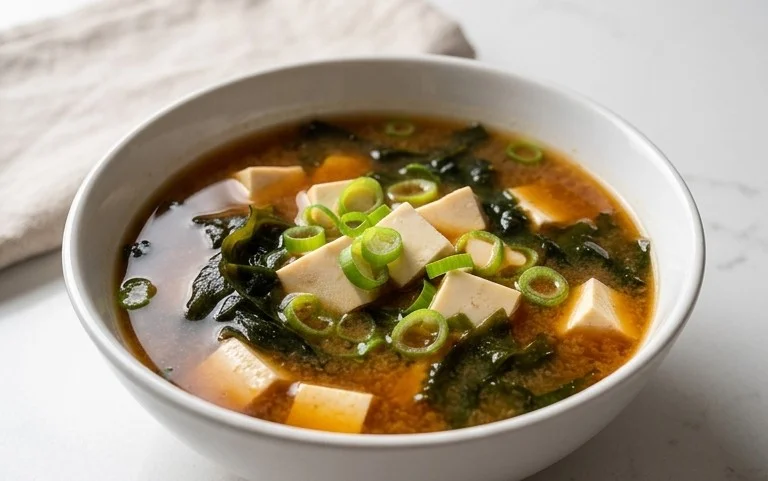
The Soul-Warming Comfort of Homemade Miso Soup
There’s something inherently comforting about a steaming bowl of miso soup. It’s a staple in Japanese cuisine, a dish that’s both simple and deeply satisfying. Whether you’re starting your meal with a light, flavorful broth or seeking a quick and nourishing snack, homemade miso soup is surprisingly easy to whip up and infinitely rewarding. Forget the instant packets; this recipe will guide you through creating a truly authentic and delicious version right in your own kitchen. The magic lies in the quality of your ingredients and a few simple techniques that unlock layers of umami and delicate flavors. Let’s get started on this journey to miso perfection.
Ingredients:
Preparing Your Miso Masterpiece
Creating a fantastic miso soup is all about respecting the ingredients and understanding how they come together. The dashi provides a foundational savory flavor, the seaweed adds a subtle oceanic depth, the tofu offers a delicate texture, and the miso paste is the star, bringin extractg its unique fermented goodness. Getting the balance right is key, and this recipe will show you exactly how to achieve it.
Step 1: Rehydrating the Seaweed and Preparing the Dashi
The first step is to prepare your seaweed. If you’re using dried wakame or a similar type of edible seaweed for soup, it will need to be rehydrated. Place the dried seaweed in a small bowl and cover it with cool water. Let it sit for about 5-10 minutes, or until it becomes soft and expands. You’ll notice it transforms from a brittle, dark flake into a tender, almost chewy strand. Once rehydrated, drain off the excess water and set the seaweed aside.
Next, it’s time to work with your dashi. If you’re using instant dashi granules, follow the package instructions to prepare 2½ cups of the broth. If you’re feeling adventurous and want to make dashi from scratch using kombu (kelp) and katsuobushi (bonito flakes), that’s a wonderful route to explore for even more profound flavor. For this recipe, we’ll assume you’re using readily available dashi. Pour the 2½ cups of dashi into a medium saucepan.
Step 2: Gently Heating the Dashi and Adding the Seaweed and Tofu
Place the saucepan with the dashi over medium heat. You want to bring the dashi to a gentle simmer, not a rolling boil. A gentle simmer is crucial because boiling can diminish the delicate flavors of the dashi and any subsequent ingredients. As the dashi begin extracts to warm, add the rehydrated and drained seaweed to the pot. Stir gently to distribute it.
Once the dashi is simmering, carefully add the pieces of silken tofu. Silken tofu is very delicate, so handle it with care to prevent it from breaking apart too much. Gently nudge the tofu pieces into the broth. Allow them to heat through for a few minutes, just until they are warm. Avoid vigorous stirring at this stage. The goal is to have everything in the pot warmed through and ready for the final, most important step.
Step 3: Dissolving the Miso Paste – The Heart of the Soup
This is where the magic truly happens. Miso paste is a fermented soybean paste, and its flavor is best preserved when it’s not subjected to high heat for extended periods. You want to temper the miso to dissolve it smoothly into the dashi without cooking it intensely.
Take a small amount of the warm dashi from the saucepan (about ½ cup) and pour it into a separate small bowl. Add your miso paste to this bowl. Now, using a whisk or a fork, stir the miso paste into the small amount of dashi until it’s completely smooth and no lumps remain. This process, called tempering, is essential for achieving a silky, well-incorporated miso flavor without creating a grainy texture in your soup. It also prevents the miso from seizing up in the hot broth.
Step 4: Combining the Miso and Finishing the Soup
Once the miso paste is smoothly dissolved in the small bowl, carefully pour this mixture back into the saucepan with the rest of the dashi, seaweed, and tofu. Stir gently to combine everything. At this point, you’ll want to adjust the seasoning to your preference. Taste the soup and add more miso paste if you desire a stronger miso flavor. Remember that miso pastes can vary in saltiness and intensity, so start with the recommended amount and add more gradually until it’s just right for you.
Continue to heat the soup gently for another minute or two, just until it is heated through. Crucially, do NOT let the soup boil after you’ve added the miso. Boiling can destroy the beneficial probiotics in the miso and can also alter its delicate flavor, making it taste harsher. So, keep the heat very low, just enough to ensure everything is warm.
Step 5: Serving Your Delicious Miso Soup
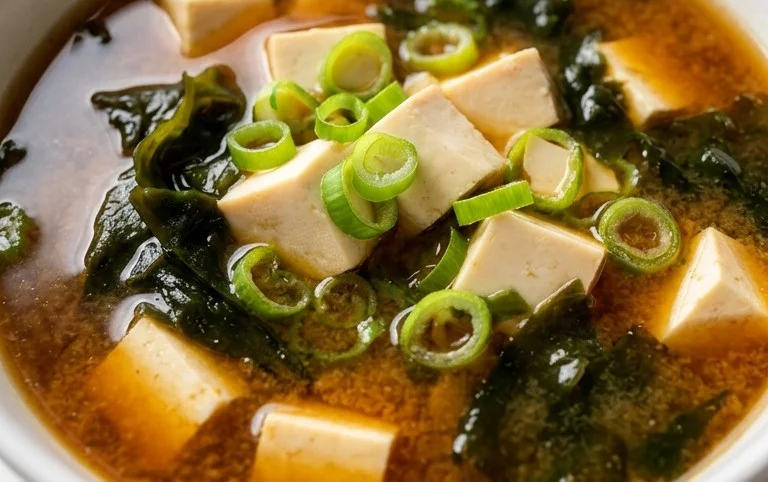
Once your miso soup is heated through and the flavors have melded beautifully, it’s time to serve. Ladle the soup into individual bowls, ensuring each bowl gets a good distribution of the tender seaweed and silken tofu. Garnish generously with the freshly chopped scallions. The bright green of the scallions adds a lovely visual appeal and a fresh, slightly pungent counterpoint to the rich, savory broth. Serve immediately and savor the simple, profound goodness of your homemade miso soup. It’s a truly restorative dish, perfect on its own or as a delightful accompaniment to a variety of meals. Enjoy the fruits of your culinary labor!
Conclusion:
And there you have it! Crafting this delicious and comforting miso soup recipe at home is surprisingly simple and incredibly rewarding. Its versatility, depth of flavor, and quick preparation make it a perfect weeknight meal or an elegant starter. The delicate umami notes from the miso paste, combined with the fresh aromatics and optional add-ins, create a truly satisfying experience. This recipe is fantastic because it’s not just soup; it’s a warm hug in a bowl, adaptable to your personal tastes and pantry staples.
For serving, imagin extracte this steaming bowl alongside grilled salmon, teriyaki chicken, or even as a light accompaniment to sushi. It’s also wonderful enjoyed on its own for a nourishing midday meal. Don’t be afraid to experiment with variations! Consider adding silken tofu for extra protein, shiitake mushrooms for a richer earthy flavor, or a sprinkle of toasted sesame seeds for added texture and nuttiness. Give this miso soup recipe a try – I’m confident you’ll fall in love with its comforting embrace and delightful taste.
Frequently Asked Questions:
What kind of miso paste should I use?
There are several types of miso paste, each offering a slightly different flavor profile. White miso (shiro miso) is mild and slightly sweet, making it a great starting point. Red miso (aka miso) is bolder and more fermented, providing a deeper umami flavor. Yellow miso is a good middle ground. Feel free to experiment with different types to discover your favorite!
Can I make this miso soup recipe ahead of time?
While miso soup is best enjoyed fresh, you can prepare some components in advance. You can cook your dashi broth and chop your vegetables beforehand. However, it’s crucial to add the miso paste and any delicate ingredients like tofu or greens just before serving, as prolonged cooking can diminish the miso’s flavor and beneficial properties.
Miso Soup
A simple and comforting classic Japanese miso soup.
Ingredients
-
2½ cups Dashi
-
1 heaping tablespoon dried seaweed
-
4 oz silken tofu (cut into small pieces)
-
2-2½ tablespoons miso paste (or to taste)
-
1 tablespoon scallion (chopped)
-
1 teaspoon dried shiitake mushrooms
Instructions
-
Step 1
In a pot, combine dashi and dried seaweed. Let sit for 5 minutes to rehydrate. -
Step 2
Bring the dashi and seaweed mixture to a gentle simmer over medium heat. -
Step 3
Add the silken tofu pieces to the simmering broth and cook for 2-3 minutes until heated through. -
Step 4
In a small bowl, whisk the miso paste with a ladleful of the hot broth until smooth. This prevents clumps. -
Step 5
Gently stir the miso mixture back into the pot. Do NOT boil after adding miso, as this can diminish its flavor and nutritional benefits. -
Step 6
Stir in the dried shiitake mushrooms and cook for 1 minute. -
Step 7
Ladle the soup into bowls and garnish with chopped scallions.
Important Information
Nutrition Facts (Per Serving)
It is important to consider this information as approximate and not to use it as definitive health advice.
Allergy Information
Please check ingredients for potential allergens and consult a health professional if in doubt.